BR2 garden clearance urgent removal by local gardeners
If your garden has tipped from "a bit untidy" into "we need this sorted now," you are in the right place. BR2 garden clearance urgent removal by local gardeners is exactly what it sounds like: a rapid, practical service for getting a neglected, overgrown, or cluttered garden back under control without the stress of doing it all yourself. Whether you are dealing with storm damage, a sudden move, a landlord inspection, or simply a space that has been quietly getting away from you, the right local gardeners can make a big difference. And quickly, too.
This guide explains what urgent garden clearance involves, how it works, what to expect on the day, and how to choose a sensible approach if you need fast help in BR2. You will also find a checklist, a comparison table, and a few plain-English tips that can save time, money, and a fair bit of hassle.
Why BR2 garden clearance urgent removal by local gardeners Matters
A garden that is left too long can become more than just messy. Paths get blocked, bins overflow, weeds set seed, hedges encroach, and damp or pests can follow. In a busy place like BR2, where people often want outdoor space to feel usable, tidy, and private, an overgrown garden can start affecting everyday life in a very immediate way.
Urgent garden clearance matters because it restores control. That sounds simple, but it is often the real problem. When a garden becomes difficult to walk through or impossible to maintain, the job can feel bigger every week. A local gardener who handles urgent removal brings speed, local knowledge, and the right judgement about what should be cut back, lifted, bagged, chipped, or taken away.
There is also a practical safety angle. Broken branches, slippery moss, hidden rubble, sharp waste, unstable fencing, and dense ivy can all create risks. If children, pets, tenants, or visitors use the garden, the urgency rises fast. Truth be told, the tidy-up is often the easy part; the difficult bit is making the space safe again without damaging useful plants or structures.
If the clearance is part of a wider reset, it may lead naturally into ongoing care such as regular garden maintenance, lawn care, or even a more complete landscape refresh through professional landscaping support. Not every garden needs all of that, of course. But many benefit from a bit of planning after the first clear-out.
How BR2 garden clearance urgent removal by local gardeners Works
Most urgent garden clearance jobs follow a fairly simple pattern. The site is assessed, the work is prioritised, and the team removes the most pressing material first. That might mean cuttings, brambles, dead branches, black bags, old compost, collapsed plant supports, broken pots, or unwanted growth around fences, sheds, patios, and walls.
In a real-world urgent job, the first question is usually: what needs to be cleared immediately for safety, access, or hygiene? The second question is what can wait until later. This matters because a good gardener will not just blitz everything indiscriminately. They will separate the quick wins from the trickier jobs and avoid ripping out things that should stay.
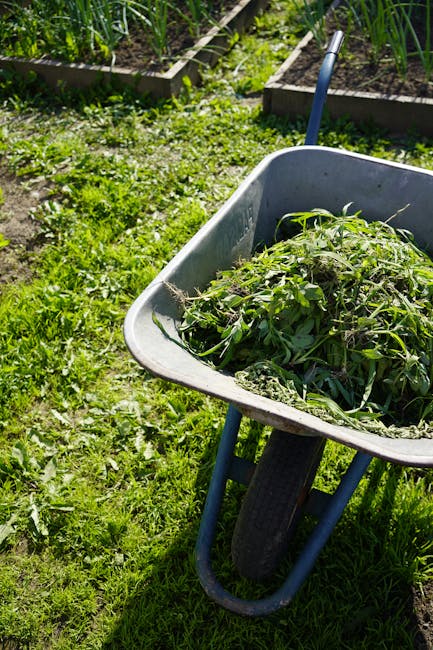
Sometimes the job is mostly manual removal. Other times it needs cutting tools, pruning equipment, wheelbarrows, sacks, tarps, and a vehicle for green waste. If the garden includes heavy growth on structures, a team may need extra care around fencing or timber features, especially where a fencing repair or check-up might be sensible afterwards.
It helps to think of urgent garden clearance in layers:
- Access layer: pathways, gates, entrances, and safe working room.
- Safety layer: sharp debris, unstable branches, trip hazards, and hidden waste.
- Clearance layer: overgrowth, weeds, old plant matter, and accumulated garden junk.
- Finish layer: sweeping, raking, loading waste, and leaving the site neat enough to use.
That final finish is what turns a stressful job into a genuinely useful service. Nobody wants a "cleared" garden that still looks like a weather front passed through at 7:15 in the morning.
Key Benefits and Practical Advantages
The obvious benefit is speed. When time matters, local gardeners can often respond faster than a more distant contractor, and that can be crucial after storms, tenant changes, pre-sale preparations, or complaints from neighbours.
But speed is only part of the story. A good urgent clearance also brings practical advantages that are easy to overlook:
- Safer movement: easier access for you, visitors, tradespeople, or family members.
- Lower stress: you do not have to tackle a huge task in chunks of weekend time.
- Better first impressions: useful if you are selling, letting, or receiving guests.
- Healthier future growth: clearing dead material and weeds can reduce competition.
- Smarter next steps: after clearance, it is easier to plan planting, lawn repairs, or hedge shaping.
A less obvious benefit is decision-making clarity. Overgrown gardens can hide problems. Once the clutter is removed, you can see where water pools, where soil is poor, what is dead versus dormant, and what parts of the garden are worth keeping. That clarity often saves money later, which is no bad thing.
For many homeowners, a quick clearance also creates a psychological reset. A garden that looked hopeless on Monday can feel manageable by Tuesday afternoon. It sounds a bit dramatic, perhaps, but it really does change how a property feels from the kitchen window.
If your next step is to keep the space easier to live with, you might later explore ideas from low-maintenance garden ideas or a more resilient planting approach inspired by plants chosen for purpose and resilience.
Who This Is For and When It Makes Sense
Urgent garden clearance is not only for dramatically overgrown plots. It is also for ordinary situations that have become time-sensitive. You may need it if:
- you have a property sale or rental inspection coming up;
- stormy weather has scattered branches and debris across the garden;
- the garden has been neglected during illness, travel, or a very busy period;
- you have inherited a property and need the outside space made manageable quickly;
- hedges, ivy, or weeds have spread into paths, fences, or patios;
- you need the garden safe for children or pets again;
- rubbish, cuttings, or bulky waste has built up after previous work.
It also makes sense for landlords and managing agents who need a quick turnaround between tenancies. The same goes for homeowners who simply do not want the "where do we even start?" feeling hanging over them for another month. Let's face it, once the job gets emotionally heavy, it is often worth getting help sooner rather than later.
Some people try to wait for the "right weekend." In practice, the right weekend rarely appears on its own. If the garden is creating risk or affecting access, urgent removal is usually the sensible call.
Step-by-Step Guidance
If you are arranging BR2 garden clearance urgent removal by local gardeners, this is the cleanest way to think about the process.
- Describe the problem clearly. Share what is overgrown, what needs removing, and whether there are access issues.
- Send recent photos if possible. A few decent phone pictures help a gardener understand the scale and likely equipment needed.
- Flag hazards early. Mention broken glass, hidden waste, thorny growth, uneven ground, or anything that could affect the work plan.
- Prioritise the urgent areas. Be specific: front access, side return, back gate, patio, shed entry, or boundary lines.
- Ask what is included. Does the service cover cutting, loading, sweep-up, and disposal? Better to ask now than after the van is full.
- Confirm access and timing. Local jobs can move quickly, but only if someone can get in, get to work, and remove waste without delays.
- Walk through the finished space. Check what has been removed, what has been kept, and whether any follow-up work is advisable.
A useful habit is to separate "clear away" from "cut back." The first is removal; the second is shaping and management. It avoids confusion, especially if you want to preserve shrubs, hedge lines, or young plants.
Expert Tips for Better Results
In our experience, the best urgent clearance jobs are the ones that are well briefed. A little preparation can make a big difference to speed and accuracy.
- Start with access, not aesthetics. A neat-looking bed is less useful than a safe, open route to the garden.
- Mark keepers before the team arrives. A simple ribbon, stake, or note can save a rose bush from accidental removal.
- Think in stages. If the whole garden is a mess, decide what must happen today and what can wait until the next visit.
- Leave the waste question unresolved at your peril. Disposal is often the hidden time sink in garden clearance.
- Ask about follow-on care. If ivy, weeds, or hedges are the real problem, you may want ongoing support after the initial clear-out.
Another smart move is to consider what the garden should become once it is clear. If privacy is important, for instance, you may want to revisit your boundary planting using ideas from fast-growing hedge options. If shade and screening are the issue, evergreen climbers for dull areas can be useful inspiration.
And if the garden contains heavy ivy growth, it is often wise to treat that as a separate project. This guide on ivy removal is a helpful companion piece because ivy behaves a bit like that one relative who says they are staying for a weekend and somehow is still on the sofa in November.
Common Mistakes to Avoid
Urgent jobs can go wrong when people rush the wrong part. The most common mistakes are not technical; they are planning mistakes.
- Assuming everything should be cut hard back. Some shrubs and hedges recover poorly from heavy-handed clearance.
- Forgetting about disposal. A pile of cuttings is not a finished result.
- Leaving hazards until last. Broken branches, rusted metal, and hidden debris should be dealt with early.
- Ignoring neighbouring boundaries. Encroaching growth can cause friction, especially on shared fences.
- Not checking what will be recycled or composted. Waste handling matters, both practically and environmentally.
- Trying to do everything in one go. Sometimes a staged clearance is safer and more effective.
There is also a simple emotional trap: once the garden looks better, people assume it is "done." Usually it is not. A decent clearance is the beginning of control, not the end of maintenance. That is perfectly fine, by the way. It just means the next phase can be planned properly.
Tools, Resources and Recommendations
Local gardeners handling urgent clearance usually rely on a mix of cutting, collecting, and loading tools. The exact kit depends on the site, but commonly includes shears, loppers, pruning saws, rakes, wheelbarrows, sacks, gloves, and protective eyewear. For larger or tougher jobs, a van or trailer for waste transport can be essential.
If you are preparing a garden before the team arrives, the most helpful things you can do are surprisingly simple:
- move cars, bikes, and bins out of the working area;
- unlock gates and side access;
- point out taps, electrics, fragile ornaments, and hidden edges;
- take away items you definitely want to keep;
- close windows if there is a lot of dusty or earthy work to be done.
For longer-term recovery, resources such as garden resurgence and neglected-space recovery can help you think beyond the immediate tidy-up. If the garden is likely to become low-maintenance after clearance, a practical follow-up read is hassle-free weed control.
If you want a service conversation rather than just browsing, the simplest route is to use the site's contact page and explain that you need urgent clearance. Short, specific notes are best. "Back garden overgrown, access via side gate, need waste removed" is better than three paragraphs of vague worry.
Law, Compliance, Standards, or Best Practice
For garden clearance in the UK, it is sensible to follow established waste and safety best practice. You do not need to become a compliance expert overnight, but a few points are worth keeping in mind.
First, waste should be handled responsibly. That means green waste, mixed waste, rubble, and household rubbish are not all the same thing, and they should not be treated as if they are. A proper clear-out should consider separation, safe loading, and lawful disposal routes. If a gardener takes away waste, it is reasonable to ask how it will be managed.
Second, health and safety matters. Dense growth can hide slips, trip hazards, sharp tools, glass, animal mess, or unstable surfaces. Good practice is to work methodically, use suitable PPE, and avoid forcing access through areas that are clearly unsafe. If a job feels risky, it should be broken into sensible stages.
Third, it helps to understand the difference between clearance and pruning. Clearance is mostly removal and restoration of access. Pruning, hedge shaping, and structural work are more selective and may need more considered judgement. If you later need hedge work, there is a dedicated hedge trimming service in Bickley that may fit better than a one-off clearance.
Finally, trusted operators should be transparent about quotations, payment, and service terms. If you are comparing providers, it is perfectly reasonable to review pricing and quotes, payment and security, and the terms and conditions before booking. That is just sensible, not fussy.
For service confidence, it also helps to look at broader site policies such as insurance and safety and the company's health and safety policy. Those pages are not exciting reading, admittedly, but they do tell you a lot about how carefully a service is run.
Options, Methods, or Comparison Table
Not every overgrown garden needs the same approach. Here is a simple comparison to help you decide what fits best.
| Approach | Best for | Typical strengths | Watch-outs |
|---|---|---|---|
| DIY quick clear | Very small jobs, light debris, simple tidying | Low cost, flexible timing | Slow, tiring, waste disposal can be awkward |
| Local gardener urgent visit | Overgrowth, access issues, time-sensitive tidy-ups | Fast response, cleaner finish, safer handling | Needs clear instructions and site access |
| Clearance plus ongoing maintenance | Gardens that repeatedly slip back | Better long-term control, less repeat stress | Requires planning and commitment |
| Clearance plus structural work | Broken fences, damaged paths, heavy boundary growth | Deals with visible problems and underlying issues | Can involve more than one trade or visit |
If your garden has also suffered from poor soil, dead patches, or exhausted beds, it may be worth following the clearance with a fresh soil improvement step. A good place to start is using organic matter in soil amendment. That is where the garden starts to feel alive again, not just clean.
Case Study or Real-World Example
Here is a realistic example. A homeowner in BR2 returns after several months away and finds the back garden covered in knee-high weeds, fallen branches, and a tangle of climbers pressing against the fence. The patio is barely visible, the side access is half blocked, and the bin area smells damp because cuttings have been left in corners. Not ideal.
The first visit focuses on access and safety. The gardeners open the side path, remove loose debris, cut back the heaviest growth, and clear the main waste piles. They leave any uncertain shrubs in place rather than hacking them down. By the end of the visit, the garden is not "finished" in the fancy sense, but it is usable, visible, and safe to walk through. That alone changes the whole feel of the property.
Then the homeowner can make proper decisions. The hedge line needs shaping. The lawn needs recovery. The soil needs attention. Maybe the border should become more resilient and low maintenance. Perhaps the patio would benefit from a clean-up too, so the space reads as one connected outdoor area rather than a set of separate problems. The key point is that urgent clearance creates options.
One small detail mattered in this case: the team was told in advance about a bird feeder and a few potted herbs tucked near the shed. That saved them from being moved or lost in the general rush. Small things, but they count.
Practical Checklist
Use this checklist before booking urgent garden clearance. It keeps the job efficient and avoids unnecessary back-and-forth.
- Describe the main problem: overgrowth, storm debris, rubbish, weeds, ivy, hedge encroachment, or access issues.
- Identify urgent hazards: broken glass, unstable branches, hidden waste, slippery areas, or blocked exits.
- Confirm access: gates unlocked, vehicles moved, pets secured, and any codes or instructions ready.
- Mark what must stay: plants, ornaments, compost bins, planters, or structures you do not want touched.
- Ask about waste removal: whether it is included and how it is handled.
- Check whether follow-up work is needed: hedge trimming, lawn recovery, ivy removal, or landscaping repairs.
- Review safety and service details: insurance, terms, and any payment expectations.
- Plan the next phase: maintenance, planting, or a simpler layout that is easier to live with.
If you are also thinking about how the garden should function after the clearance, useful follow-up ideas include container gardening for smaller spaces and vertical gardening for tighter plots. Both can help a cleared garden stay tidy without losing charm.
Conclusion
When a garden gets out of hand, the fastest route back to calm is often a clear, local response from people who know how to tidy, remove, and reset the space properly. That is the real value of BR2 garden clearance urgent removal by local gardeners: not just speed, but judgement, safety, and a finish that leaves you feeling in control again.
Whether you need a one-off emergency clearance or a first step toward better ongoing care, the key is to act while the problem is still manageable. A messy garden can wait. A risky one probably should not. And once the clutter goes, the space tends to reveal what it could be all along.
Get a free quote today and see how much you can save.
Take a breath, make the call, and give the garden a proper fresh start. You may be surprised how quickly a difficult space becomes a usable one again.
Frequently Asked Questions
What does urgent garden clearance usually include?
It usually includes cutting back overgrowth, removing weeds and debris, collecting green waste, clearing access routes, and leaving the space tidy enough to use safely.
How fast can local gardeners respond in BR2?
Response times vary by workload and the scale of the job, but local gardeners are generally better placed to act quickly than teams travelling from further away.
Is urgent clearance the same as regular garden maintenance?
No. Urgent clearance is about restoring control quickly. Regular maintenance is about preventing the mess from building up again in the first place.
Can the gardeners remove ivy, brambles, and thick weeds?
Yes, those are common clearance problems. In tougher cases, ivy or deep-rooted weeds may need a more targeted follow-up treatment after the initial removal.
Will all the waste be taken away?
That depends on the service agreement, so it is worth confirming before booking. Many urgent clearance jobs include loading and removal, but you should always check exactly what is covered.
What should I do before the gardeners arrive?
Move vehicles, secure pets, unlock gates, and mark anything that should not be removed. If possible, send a few photos in advance so the team can prepare properly.
Is it worth booking clearance before selling a house?
Yes, quite often. A tidy outdoor space improves first impressions and helps buyers see the property more clearly, especially if the garden has been neglected.
Do I need to be home during the clearance?
Not always, but it usually helps at least for the start of the job so you can point out priorities, access details, and anything you want protected.
What if the garden also has damaged fencing or broken features?
That can be handled separately or alongside the clearance, depending on the situation. It may be sensible to discuss fencing work or broader garden repairs afterwards.
How do I know if I need urgent clearance or a full landscaping job?
If the main issue is overgrowth, waste, or access, urgent clearance is usually the right first step. If the layout, surfaces, and structure all need reworking, a fuller landscaping conversation may be better.
Is a site visit always necessary before pricing?
Not always, but photos and a brief description are helpful. Larger or more complicated jobs may need a closer look so the quote reflects the real work involved.
What happens after the clearance is finished?
Ideally, you walk through the space, check the agreed areas, and decide on the next stage. That might be lawn recovery, hedge work, weed control, or a simple maintenance plan to keep things under control.